
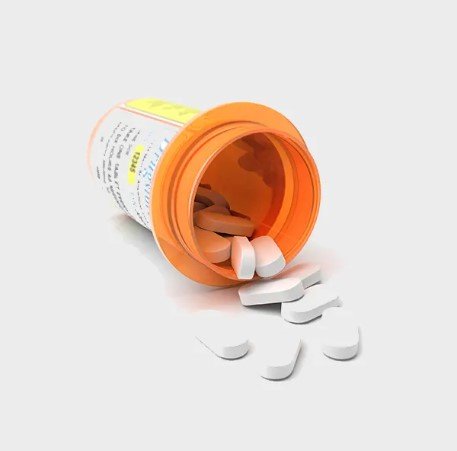
What is Aprobarbitone?
Aprobarbitone is a barbiturate drug that acts as a central nervous system (CNS) depressant. It is commonly used for its sedative and hypnotic properties. Aprobarbitone works by enhancing GABA neurotransmission, which slows brain activity and induces sleep.
Aprobarbitone is primarily used for:
-
Sleep disorders – Helps with insomnia and other sleep disturbances
-
Sedation – Used before minor medical procedures
-
Anxiety relief – Provides temporary calming effects
It is less commonly used today due to safer alternatives, but it remains a key research chemical in pharmacology studies.
Aprobarbitone Dosage and Administration
Proper dosage depends on age, health status, and intended use:
-
Typical adult dosage: Determined by physicians, often starting at a low sedative dose
-
Forms: Tablets or oral solutions
-
Administration: Taken under medical supervision due to risk of overdose and dependency
-
Effects of Aprobarbitone
Short-term effects include:
-
Sedation and drowsiness
-
Relaxation and mild euphoria
-
Reduced anxiety
Long-term or high-dose effects may include:
-
Cognitive impairment
-
Physical dependence
-
Respiratory depression
-
Risk of overdose
Side Effects and Risks
-
Dizziness or lightheadedness
-
Nausea or vomiting
-
Headache
-
Fatigue
Serious risks include:
-
Overdose symptoms – Confusion, slow breathing, coma
-
Addiction potential – High if used frequently
-
Drug interactions – Can interact with alcohol and other sedatives
Pharmacology and Mechanism of Action
Aprobarbitone is a CNS depressant that acts by enhancing GABA activity in the brain. This produces:
-
Sedative-hypnotic effects
-
Muscle relaxation
-
Decreased neuronal excitability
It has a half-life and metabolism profile similar to other barbiturates like phenobarbital.
Withdrawal and Dependency
Long-term use may lead to physical dependence. Withdrawal symptoms include:
-
Anxiety and restlessness
-
Insomnia
-
Tremors or seizures in severe cases
Medical supervision is essential when discontinuing Aprobarbitone.
FAQs About Aprobarbitone
-What is Aprobarbitone used for?
Aprobarbitone is mainly used as a sedative and sleep aid, and occasionally in research studies.
– What are the side effects of Aprobarbitone?
Common side effects include drowsiness, dizziness, nausea, and headache. Serious risks include overdose and respiratory depression.
– Can Aprobarbitone be addictive?
Yes, prolonged use can lead to physical dependence and withdrawal symptoms.
– How is Aprobarbitone metabolized?
It is metabolized in the liver and has a half-life similar to other barbiturates.
-Is Aprobarbitone still used today?
It is less commonly used due to safer alternatives, but it remains important in pharmacological research.
Aprobarbitone (Aprobarbital)
Buy Aprobarbital Nembutal is a barbiturate derivative invented in the 1920s by Ernst Preiswerk. Aprobarbital / Nembutal has sedative, hypnotic and anticonvulsant properties, and was used primarily for the treatment of insomnia. Barbiturates are depressants that produce a wide spectrum of central nervous system depression from mild sedation to coma. They also have been used as sedatives, hypnotics, anesthetics, and anticonvulsants.
Buy Nembutal Injection California
The most commonly used are amobarbital (Amytal), pentobarbital (Nembutal), and secobarbital (Seconal). A combination of amobarbital and secobarbital (called Tuinal) is also highly used. Short-acting and intermediate-acting barbiturates are usually prescribed as sedatives and sleeping pills. Buy Aprobarbital Nembutal
The classification of barbiturates as nar- cotics may have some valid basis when con- sidered only from a pharmacological view- point. But, taking the foregoing data into consideration, the answer to the question : “Should the barbiturates be classed as narcotics legally?


Reviews
There are no reviews yet.